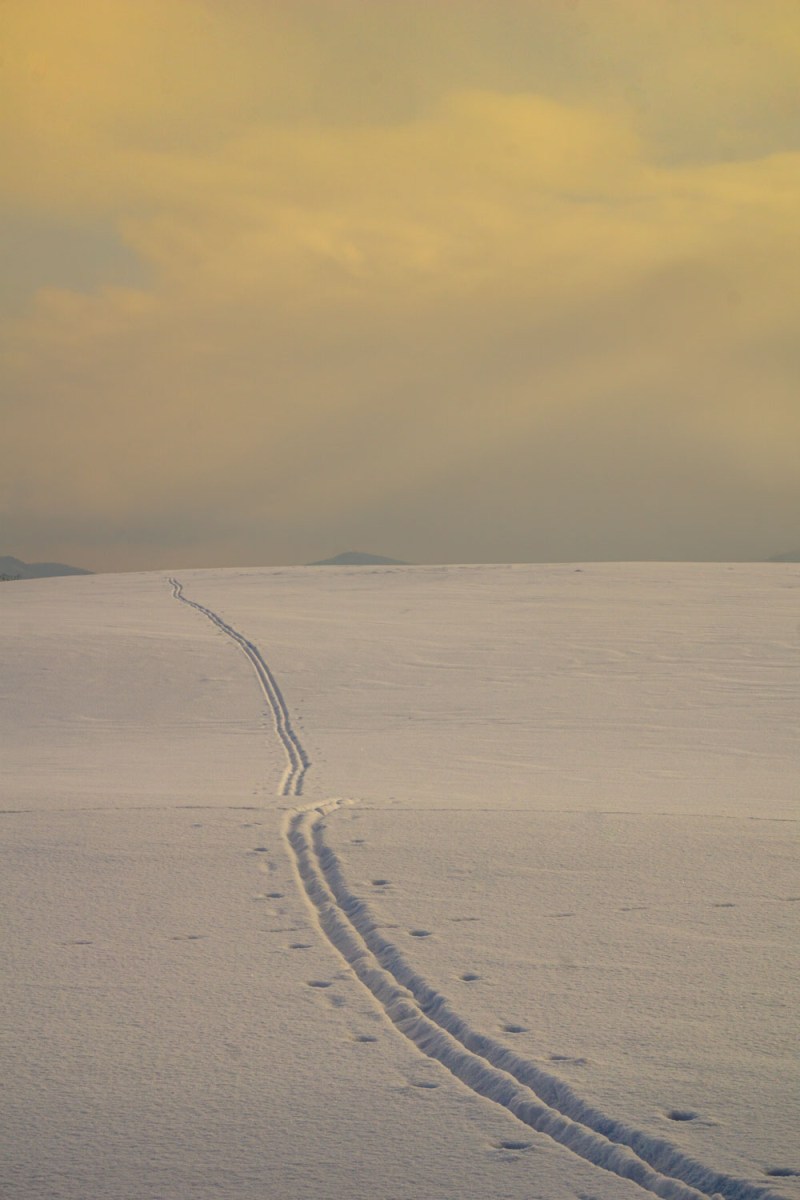
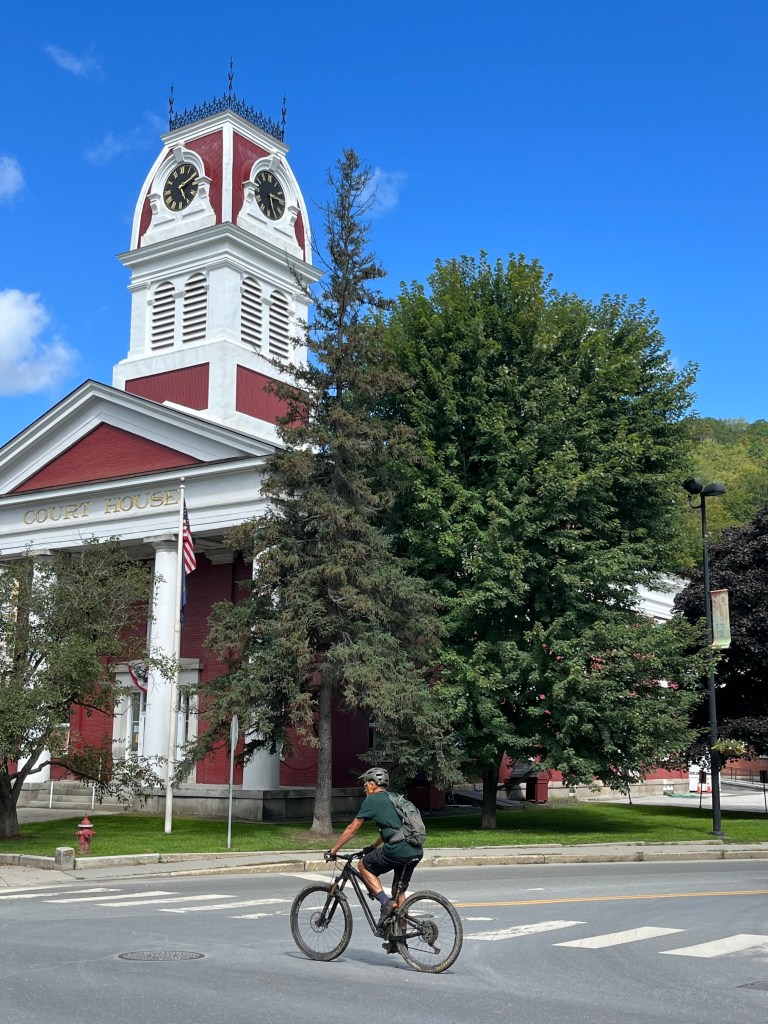
It is HOT this week in much of the world, even across much of the United States and, yes, even in the Green Mountains where winter cross-country skiing is just a distant memory. I got back from walking in 90F+ temperatures around our downtown checking on the city trees, and I was not sure I’d make it walking back home. I’m “only” 75 and in fairly good condition and I was shocked at the impact of the heat; imagine being even older or less fit and think of all the people who, relentlessly, have to work outside.
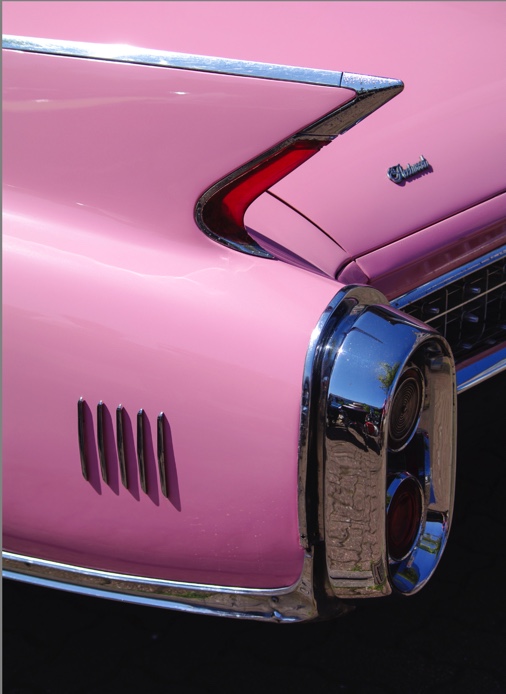
The 20th Century generations, especially we Baby Boomers, have much to account for on the bill being presented to the world. I remember paying $.19/gallon for leaded gas to put into the tank of a car that got no more than 15 MPG. While it now appears that many, including those who profited most, have long known of the disaster we were making, I think it is important to also remember each of us has played a role. The term “energy conservation” was not even used until the early 1970s and then often disparagingly—remember President Jimmy Carter being ridiculed for wearing a sweater when he was cold!
The changes are here and shockingly so except perhaps to the most astute climate academics who have long seen them coming. Today our little city remembers with horror what happened one year ago when five feet of water raged through downtown. And, as if we need further reminders, today’s weather forecast calls for 1-2″ of rain on top of already saturate ground.

It is now clear we must find not only short term fixes and accommodations but also continue to work on ways to reduce the long term impacts, those that could easily be with us for the next century or more—historic heat, disrupted food supplies, “100-year” flood that happen ever other year. Despite having spent a long, useful career working to reduce and conserve the use of energy, I am, honestly, stymied as to how we engage to make the kinds of differences needed.

One of the choices we have very clearly ahead is how we vote here in the United States in November, especially in the Presidential race. I will be putting the well-being of my grandchildren (and their children’s children) ahead of the profits of the 1% and the corporations that have unduly caused much of the disaster climate is today. It is clear those who sit in their mansions on the golf course will not make decisions that improve the dire situation we are in, but will, in fact, try to get even the last drops of oil out of the ground and into their bank accounts. I’ll cast my vote for the children and the rest of the Planet.

 Still Learning To See
I like these new missives, powerful in a gentle and data-based way. Marti
I very much appreciate your support!
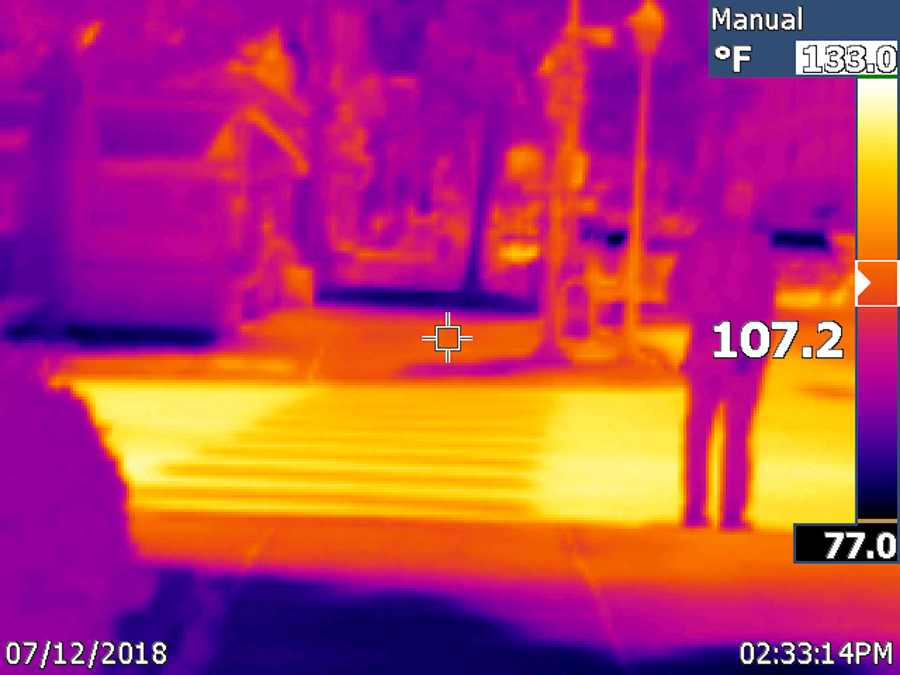
That thermal image was really illuminating. More, please. and the car fin … ahhhhh!
Thank you, my friend. I’ll get the infrared out again when the rain stops! Although, that said, it is easy to show how evaporating water cools things! Of course, not much evaporation at high relative humidities.